
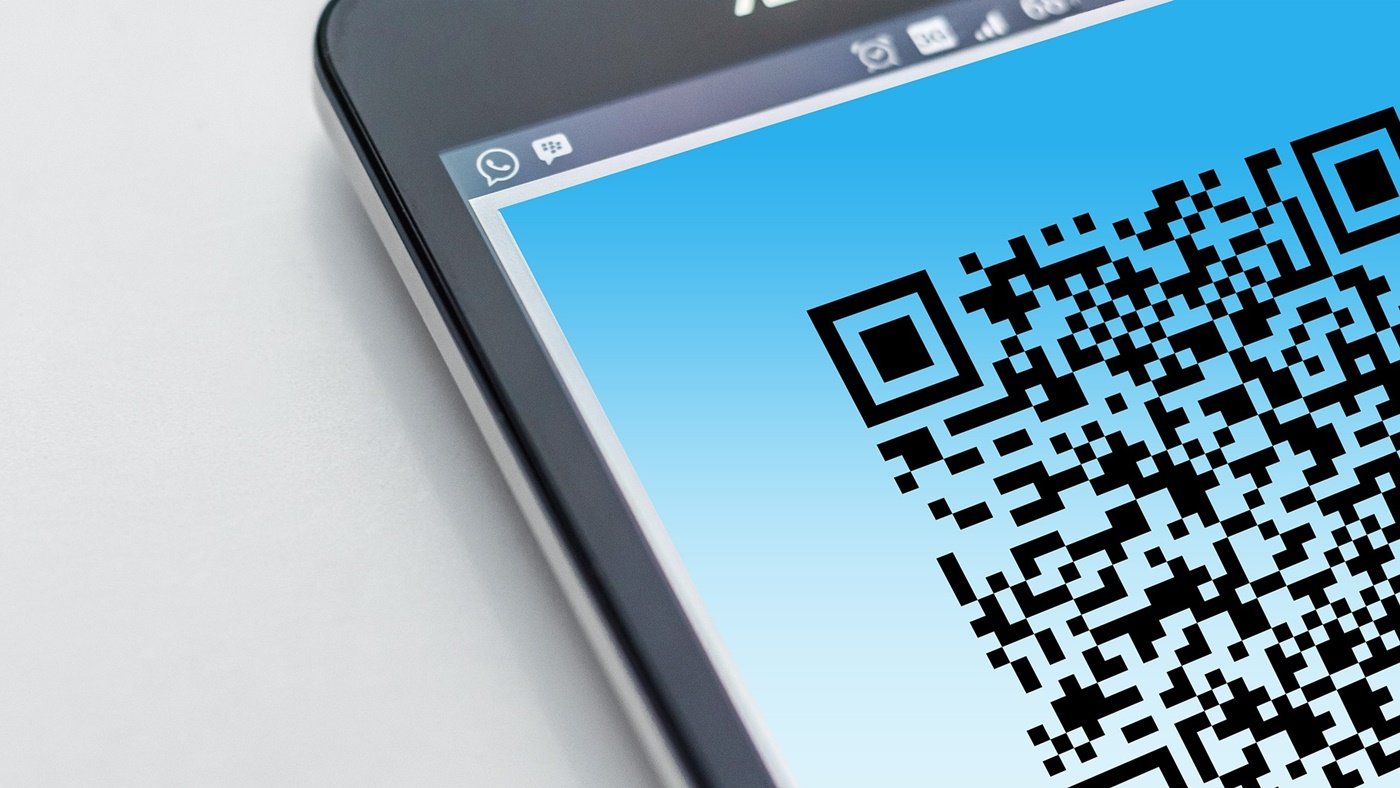
With the advancement of technology, QR Codes have become a popular and convenient way to make payments and access websites using mobile cameras. This technology has evolved from traditional barcodes and is now widely used in various media platforms. However, concerns about its safety remain.
The FBI issued a warning in 2022 for people to be cautious with QR Codes, as cybercriminals can manipulate them to steal personal and financial information from users. Over 20 million individuals were affected by the QR code scam during a U.S. football event.

chsyys/iStock
What risks come with QR Code functionality?
Expose the data
Fraudulent QR codes may include code that allows scammers to access sensitive user information such as email addresses, banking details, and phone numbers.
Hidden instructions
Scanning the code may lead to hidden commands being activated without the consumer’s awareness, potentially causing actions on mobile phones such as sending messages, sharing location, accessing contact lists, or emails.
Phishing Objective
Malicious QR Codes often lead consumers to fake websites, putting them at risk of falling for phishing scams. If the fake sites closely resemble legitimate ones, customers may unknowingly provide sensitive information, allowing criminals to access their private data easily.
Download malicious software
When scanning a QR Code, users might unintentionally install an app or files containing malware. These malicious programs can be installed on the device, allowing criminals to breach privacy and access all stored data and files.

